Designing the Perfect Personalized Produce Boxes: A Progressive Guide
Designing specialized fruit and vegetable boxes demands a strategic approach. Specialists must consider environmental responsibility, practicality, and visual appeal. Selecting the suitable components is vital for maintaining quality and supporting eco-friendly methods. Furthermore, dimensions and shape can greatly impact usability and transport efficiency. Compelling visual elements enhance brand recognition, while detailed testing guarantees longevity. Grasping these elements will uncover critical understanding into producing standout container strategies that resonate with consumers. What comes next is vital to accomplishing those goals.
Choosing the Right Components for Custom Produce Boxes
When considering materials for custom produce boxes, it is crucial to review both usefulness and eco-friendliness. The choice of material significantly determines the box's durability, weight, and ability to protect the contents. Common materials include corrugated cardboard, which delivers strength and is recyclable, making it a popular choice for eco-conscious businesses. Compostable options, such as molded pulp or plant-based plastics, also promote green practices while delivering appropriate protection for delicate produce.
Additionally, moisture protection is important for preserving product freshness, leading some producers to examine treated materials or targeted protective finishes. The aesthetic appeal of the box warrants attention, as brand messaging and design aesthetics can impact consumer perception. Ultimately, the suitable material should maintain equilibrium between preserving the goods, satisfying consumer preferences, and complying with sustainability guidelines, making certain that usefulness and environmental responsibility are central to the creation phase.
How to Select Size and Shape for Performance?
When opting for the size and shape of custom produce boxes, careful assessment of produce measurements is essential for effective storage. Additionally, attention to movement and transportation can impact the box structure, guaranteeing ease of movement. Optimizing storage space utilization further enhances functionality, allowing for effective presentation and organization.
Evaluate Produce Measurements Carefully
Assessing the suitable form and capacity for produce containers is essential for functionality and efficiency. Accurate assessment of product dimensions is indispensable, as it validates that items fit snugly without excess space that could lead to damage during storage or transport. Bespoke boxes need to accommodate various shapes, from soft-skinned fruits to bulky vegetables, while sustaining durability. Furthermore, the depth and height of the boxes should facilitate stacking and organization, making full use of space in storage facilities. A expertly built box not only protects the produce but also enhances consumer attraction for buyers. To sum up, careful consideration of dimensions assists in minimizing losses and advancing overall user experience in the product supply chain.
Consider Handling and Transport Factors
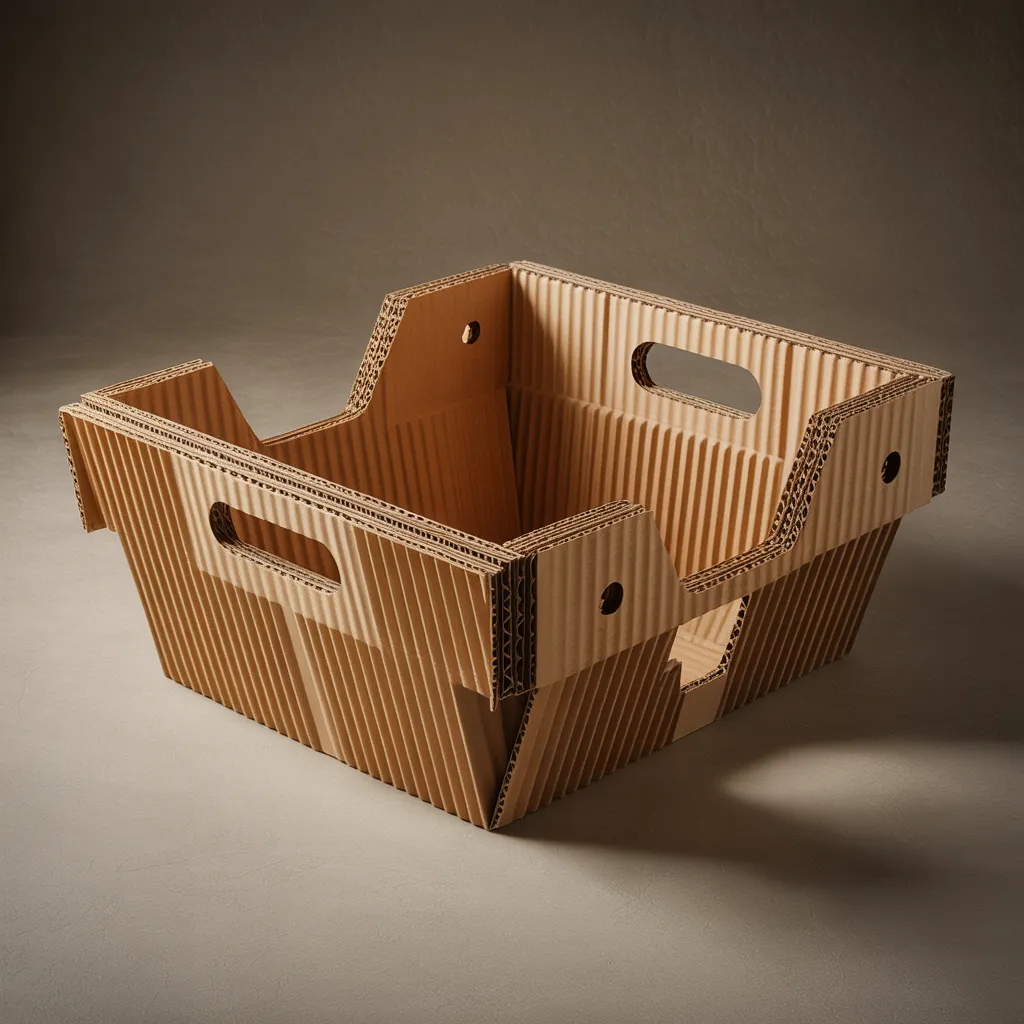
Handling and shipping factors play a significant role in establishing the appropriate size and shape of custom produce boxes. The dimensions must accommodate the produce without excessive space, which could lead to shifting and damage during transport. Compact, smaller boxes enable simpler handling, while bigger containers may be necessary for bulkier items. Additionally, proper ergonomic planning is essential; handles or openings should be carefully placed to allow for comfortable lifting and carrying. The shape of the box also affects stacking and stability, ensuring that products remain secure. Ultimately, thoughtful evaluation of these factors enhances the effectiveness of shipping, minimizes product loss, and maintains the overall integrity of the fresh goods from farm to consumer.
Enhance Product Space Allocation
Optimizing shelving performance depends on picking the suitable proportions and design of specialized produce boxes. Design teams should assess the dimensions of the shelving units as well as the types of produce being arranged. Straight-edged boxes often enhance room optimization, permitting for more straightforward stacking and alignment. In contrast, non-standard forms can boost design appeal but may cause lost capacity if not strategically planned.
It's necessary to analyze the stock circulation rate; briskly-selling products might benefit with compact, easily reachable containers. Also, integrating customizable or modular designs can enable different sizes of items while maximizing storage layout. By highlighting functionality and aesthetic considerations, businesses can build a functional and visually compelling presentation that strengthens both accessibility and item visibility.
How to Build Artwork That Command Notice?
Striking graphics can turn a simple custom produce box into a visual masterpiece that grabs attention. To accomplish this, artists should start by picking a color palette that demonstrates the crispness and vibrancy of the produce. Bold, eye-catching colors can trigger feelings of freshness and vitality, pushing consumers to take a closer look.
Using bold typography is also essential; clear and legible fonts can effectively communicate essential information while enhancing visual appeal. Additionally, using high-quality images of the produce can establish instant rapport, displaying the product's quality and attracting prospective customers.
Furthermore, adding original designs and artwork can assist in setting apart the brand in a crowded market. Consistency in design elements, such as logos and taglines, reinforces brand identity. Ultimately, a combination of creativity and clarity in visual design can greatly boost the impact of custom produce boxes, making them shine on shelves.
Eco-Friendly Practices for Personalized Produce Box Packaging Solutions
An rising number of companies are adopting environmentally sustainable methods for custom produce box packaging, recognizing its significance in today's environmentally conscious market. These practices often encompass the use of biodegradable materials, such as recycled paper and plant-based plastics, which reduce environmental impact. Companies are also focusing on sustainable sourcing, ensuring that materials are obtained from responsibly managed forests or suppliers who emphasize environmental stewardship.
Furthermore, numerous brands are going with understated designs that minimize waste while still effectively highlighting their products. This method not only appeals to eco-aware consumers but also assists in lowering production costs. Moreover, businesses are progressively applying effective manufacturing processes that minimize energy consumption and waste generation. By incorporating these sustainable practices, companies not only boost their brand image but also contribute positively to the planet, aligning their operations with a sustainable future.
Examine Your Custom Produce Box Design
Testing the layout of personalized vegetable containers is an essential step in guaranteeing they meet both visual and functional requirements. This procedure typically involves assessing factors such as durability, size, and user-friendliness. First, prototypes must be developed to evaluate the box's physical stability, ensuring it can endure shipping and storage without damaging the products.
Subsequently, functional tests can be initiated to determine how conveniently the boxes can be opened, closed, and stacked. Input from end users can be vital in this stage, imparting understanding into the box's practical value.
Additionally, the visual impact of the design should be examined through surveys or focus group sessions, assessing consumer feedback to brand design elements, color palettes, and overall presentation.
Ultimately, thorough evaluation enables designers to improve the box, ensuring it not only attracts customers but also properly safeguards and showcases the produce within, maintaining the right balance between form and function.
Promoting Your Tailored Produce Boxes Effectively
Impactful marketing of custom produce boxes requires a strategic approach that highlights their unique features and benefits. Businesses must focus on pinpointing their target audience, such as local farms, grocery stores, or individual consumers. Capitalizing on social networking sites can enhance brand awareness, presenting the boxes' appearance and functionality through engaging visuals and storytelling.
Additionally, establishing partnerships with local influencers or farmers can strengthen standing and enlarge reach. Delivering incentives or cost savings during seasonal peaks can capture initial customers and support sustained patronage.
Furthermore, promoting environmental sustainability and green values in marketing materials can appeal to sustainability-focused buyers. Presenting detailed information about material sources and the advantages of custom packaging can better establish the brand in a competitive market.
In the end, a detailed marketing strategy that merges internet-based and community-based undertakings will effectively market custom produce boxes, appealing to a wide-ranging clientele and driving sales.
Commonly Asked Questions
What Costs are Included in Custom Produce Box Customization?
Expenses connected to custom produce box design include materials, printing, labor, and shipping. In addition, design services and minimum start here order quantities can affect overall costs, leading to fluctuating prices based on individual requirements and production scale.
How much time Does It Take to Produce Custom Boxes?
Crafting custom boxes usually demands two to six weeks. Determinants that influence this timeline comprise design complexity, availability of materials, and production capability, each of which can affect delivery schedules and processing times.
May I Purchase a Small Quantity of Custom Produce Boxes?
Yes, small volumes of custom produce boxes can generally be ordered. Many merchants provide minimum order quantities, making it possible for businesses or individuals to obtain customized packaging solutions without needing to obligate to substantial amounts to start.
What Are Common Errors to Avoid in Custom Box Layout?
Common mistakes in custom box creation feature neglecting functionality, disregarding brand consistency, underestimating material quality, overlooking target audience preferences, and overlooking environmental impact. Each aspect is critical for quality packaging and customer satisfaction.
How Do I Verify My Boxes Are Safe for Food?
To ensure boxes maintain food-grade standards, individuals must pick materials certified for food contact, avoid harmful inks and adhesives, sustain cleanliness during production, and routinely evaluate for compliance with health regulations and safety standards.